What Does Bed Bug Services Do?
Table of ContentsThe Best Guide To Bed Bug ServicesFacts About Bed Bug Services Revealed7 Easy Facts About Bed Bug Services ShownGetting My Bed Bug Services To Work
A thorough bed bug inspection by experts is a meticulous process and relies on expertise. Bed bugs are tiny, quick, and skilled at concealing themselves that often dwell in small hiding places in furniture and walls. Because of their hidden habits, detailed examination is necessary to identify the full scope of the problem. Professional inspectors use a combination of tools, procedures, and knowledge to locate pests effectively, stopping infestations from worsening.The first step in the inspection process involves understanding bed bug biology and behavior. Bed bugs belong to the order Hemiptera and undergo a life cycle that includes eggs, nymph stages, and adulthood. Adults are typically small, oval-shaped, reddish-brown, wingless, and equipped with long legs and antennae. Their feeding apparatus injects anticoagulants while drawing blood, resulting in clusters of itchy bites. Knowing these traits enables detection of likely areas for bed bug activity.
Early detection is vital for effective management. Professionals search for telltale signs such as dark spots of fecal matter, molted skins, and eggs (Bed Bug Services). Even one female can produce dozens of eggs quickly, resulting in serious outbreaks. Evidence of molted skins or eggshells indicates active infestation and requires prompt inspection
Preparing for an inspection involves careful organization. Inspectors often recommend clearing clutter from treatment areas, which makes it easier to inspect furniture and wall edges. Bedding and linens may be washed in hot water and dried on high heat, and then kept in plastic bags to maintain cleanliness. Wall decor, mirrors, and pictures may need to be removed to allow access to potential bed bug harborages. Vacuuming furniture and floors can remove loose pests, and vacuum bags should be emptied in a secure location.
Things about Bed Bug Services
The inspection itself is systematic and thorough. Inspectors start with beds and adjacent furniture, paying attention to edges, seams, and potential hiding spots. Upholstered furniture, including seating furniture, learn the facts here now is carefully examined, with attention to seams and cushions. Baseboards, moldings, the edges of wall-to-wall carpeting, electrical outlets, closets, and storage areas are also included in the inspection, as these can be key areas for infestation.
Specialized tools enhance detection accuracy. Flashlights, magnifying lenses, multi-tools, and mirrors provide visibility in crevices and corners. Monitoring devices like interceptor traps or sticky pads aid in identifying infestation trends. Some companies employ trained canines, which can locate live bed bugs quickly, distinguishing them from non-active traces.
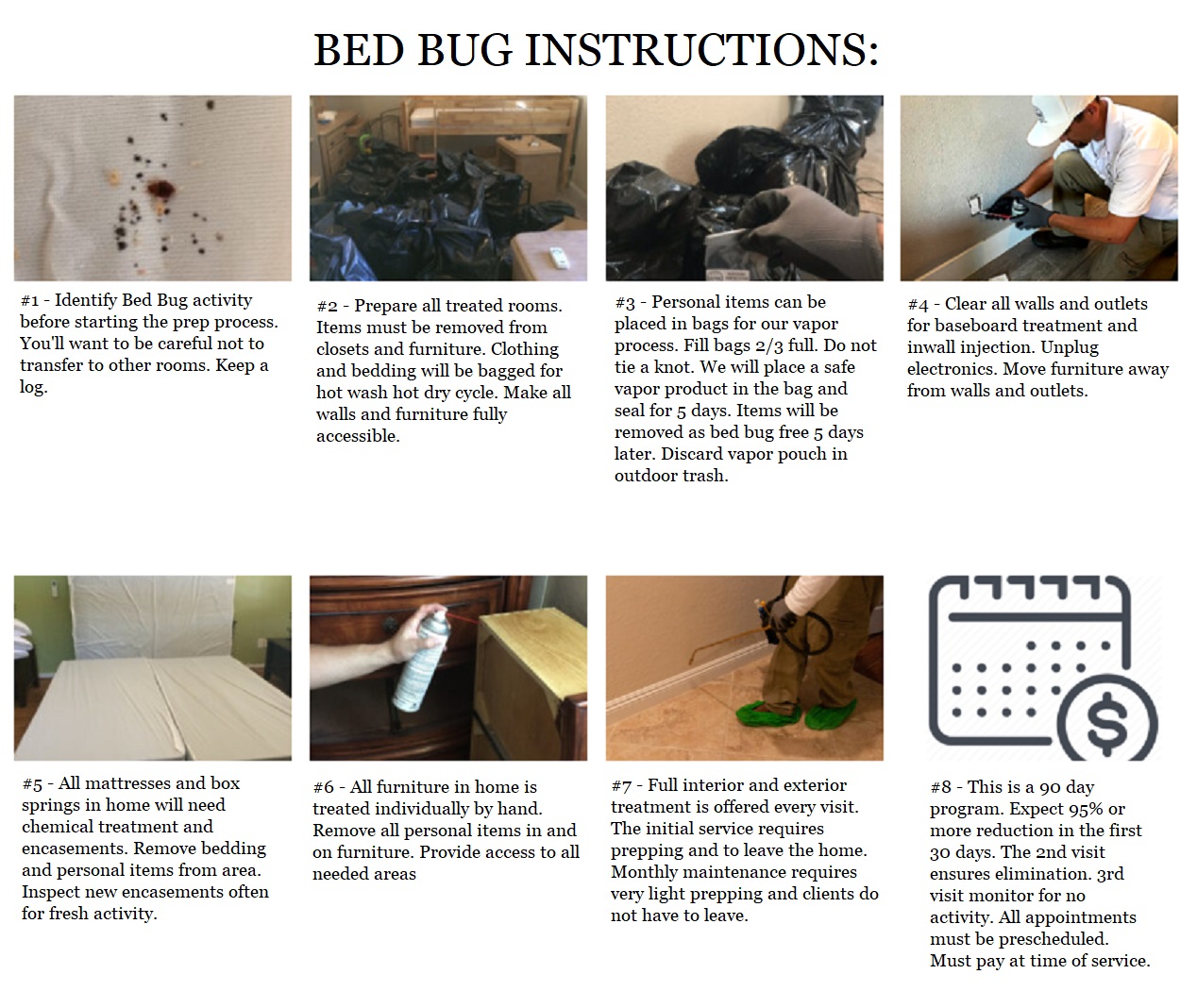

Meticulous documentation is essential. Inspectors document all signs, infestation levels, and suggested measures. This supports transparency and offers proof of inspection. Residents are often instructed to preserve evidence for accuracy, as this ensures accurate results.
After inspection, a monitoring plan may be recommended to confirm the presence of bed bugs and track activity. Continuous monitoring assesses the effectiveness of treatment, and asking residents about bites and sightings provides additional insight. Cooperation from residents enhances detection.
The Only Guide for Bed Bug Services

Professional inspections are more reliable than self-inspections. Trained inspectors spot subtle signs overlooked by untrained eyes, prevent misdiagnosis, and confirm the situation accurately.
Bed bug inspections are particularly important in hotels, dormitories, multi-unit apartments, and senior living facilities. Inspectors examine adjacent units, common areas, and shared furniture to confirm complete assessment (Bed Bug Services). This prevents escalation visite site and reduces treatment costs
In summary, a professional bed bug inspection includes identifying the pest, readying the environment, inspecting meticulously, employing tools, maintaining records, and ongoing monitoring. Each step contributes to accurate detection, effective treatment planning, and long-term prevention.
Our Bed Bug Services Diaries